Anchors in Master Planned Communities

Versión en Español

In this article, I’ll explore the role of «anchors» within a Master Planned Community (MPC).

What is a Master Planned Community?

Master planned communities are large-scale real estate developments where residents can live, work, and play. They are usually found on the urban periphery, where strong growth is expected. You can think of them as the game «Sim City,» but in real life. For a deeper look at what they are, you can read this article I wrote here.

What is an Anchor?

Let’s start with the dictionary definition:

«A device usually of metal attached to a ship or boat by a cable and cast overboard to hold it in a particular place by means of a fluke that digs into the bottom.» (Merriam-Webster)

In everyday language, the word «anchor» refers to the device on a ship that is dropped to the bottom of the sea so the vessel can hold a fixed spot where the crew wants to stay, without drifting away. You normally anchor in a place because it has good attributes: plentiful fishing, safe swimming, calm waters, good weather. And then you get the benefit of the place.
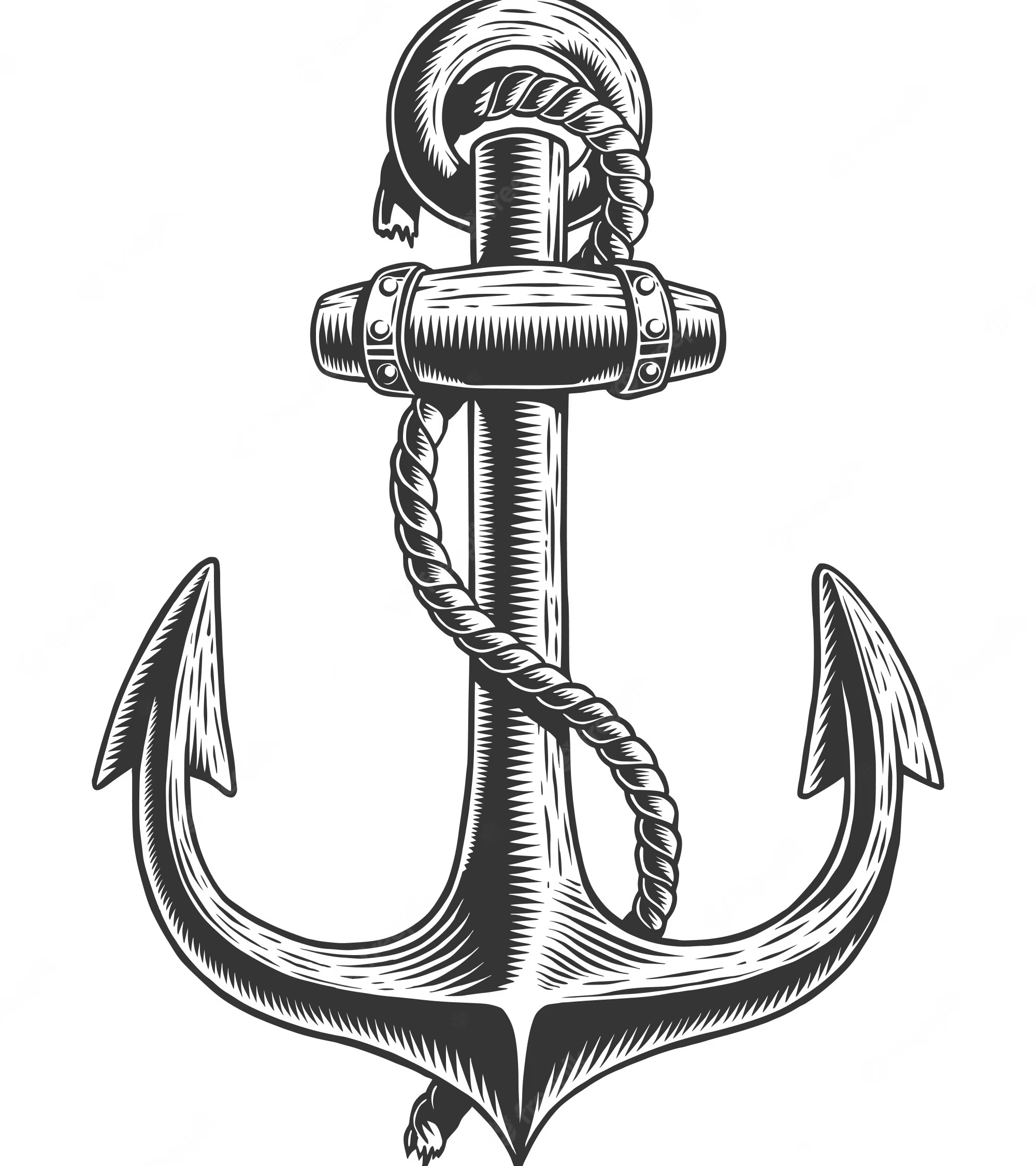
A ship's anchor holding a vessel in place

In real estate, the term «anchor» is used as an analogy for something that attracts other things. That «something» is usually a desirable institution or a natural attraction that captures the interest of people, businesses, or investment. Anchors help drive the real estate development of a site.

Shopping malls use the term extensively. To a large degree, a mall’s success depends on the success of its anchor. Mall developers look for land with favorable characteristics: high traffic, a large nearby population, strong purchasing power, among others. Then they look for an anchor for the project, usually a retailer that draws a large number of visitors, like a supermarket. The anchor is essential to getting the development done, because it brings the foot traffic that makes the other businesses inside the mall work. Without an anchor, there is no project.

At the scale of a Master Planned Community or a city, there have to be many anchors to meet residents’ needs. So what kinds of anchors should exist?

A few important questions: What culture and values do we want to foster in the community, and what kind of anchor best serves them? Given the context of the site, which anchors are easiest to develop and will have high demand? Where is the gap in the market?

I have thought about these questions for Porta Norte, and I always land on the same conclusion: the answers apply equally well to Panama City. The order in which the anchors get developed matters. First comes nature, then urbanism, and finally buildings.

1. Nature

Anchors can be natural elements, like beaches and mountains. Nature acts as a magnet that draws residents and visitors who want to enjoy natural beauty. On beaches, you can build marinas, enable water sports, and develop resorts, among other options. In the mountains, you can create trails, ski runs, and mountain biking routes, among other activities.

Natural elements should be promoted first, because every human being has a need to connect with nature. On top of that, nature is already there, so depending on what you want to do, you can take advantage of it with relatively low investment.

Panama is known for its biodiversity and its fertile land. We should make the most of these resources. At Porta Norte, the first thing is to highlight the river, the trees, the views, and the high points.

2. Urbanism

In a home, the members of a family have their own bedrooms and come together in common spaces like the living room and the kitchen. In a city, citizens have their own homes and come together in common spaces like plazas and parks. At the urban level, it is essential to have public spaces designed so that citizens can gather to celebrate, to have fun, and to exercise.

In Panama City, Casco Viejo, with its plazas and its pedestrian-oriented design, is the most beloved neighborhood in the city. It is no coincidence that it is the most walkable urban fabric and the one with the most music, art, and community events. So it makes sense to use this urban approach to build a new kind of neighborhood that people will love. One possible improvement would be to include more trees and greenery in the streets.

3. Buildings

Usually the most common building type is residential. But the more diverse the buildings are, and the more they attract culture and life, the better. That can include universities, schools, temples, public spaces, shopping centers, gyms, sports centers, and much more. My theory is that one of the best anchors, both for Panama and for Porta Norte, would be a great university. A vibrant community is built with families and with young people who want to better themselves, and these educational institutions are the raw material of universities.

In Panama, there is a big opportunity because of the shortage of quality universities. At Porta Norte specifically, a great university would be ideal, since it sits in the largest school hub in Panama, with more than 15 schools within a few kilometers and thousands of students graduating every year, but no university nearby to serve them.

Universities as Anchors

There are many cities that have thrived thanks to the best universities in the world, like Harvard, Stanford, Notre Dame, and the University of Texas at Austin. All of these cities were much smaller decades ago, and the universities have been key engines of their growth.

In short, a university focused on technology, especially on computer science, could be an excellent option. In Panama City there is no university offering world-class technology education, despite growing global demand and the advance of technologies like artificial intelligence.

This conclusion is inspired by a Paul Graham essay titled «How to Make Pittsburgh a Startup Hub.» In it, Graham reflects on the characteristics that made Silicon Valley what it is today and how they might be replicated elsewhere. Here is a representative excerpt:

So suppose cool old neighborhoods and cool little restaurants make this the next Portland. Will that be enough? It will put you in a way better position than Portland itself, because Pittsburgh has something Portland lacks: a first-rate research university. CMU plus little cafes means you have more than hipsters drinking lattes. It means you have hipsters drinking lattes while talking about distributed systems. Now you’re getting really close to San Francisco.

— Paul Graham, co-founder of Y Combinator

A technology-focused university would have the potential to produce talent that can earn significant income in the tech industry, or even start new companies, which would create a virtuous cycle. Other top-tier universities can also be good for urban growth, because universities and urban development have a symbiotic relationship in which both sides benefit.

When you design a new community, you need a clear vision. In the case of Porta Norte, we want a community that is vibrant, healthy, and close-knit. A place where kids can run through the streets, where people can exercise, where there is a thriving economy, and much more. All of these elements together create a place that people love, that they protect, and that lasts over time. Incorporating anchors is one of the key strategies for making that vision real.

To close, here are a few thoughts worth considering: What kinds of anchors do you think Panama City is missing? Where do you see opportunities in the market? Which anchors could improve everyone’s quality of life? Which ones do you think would work well in places like Porta Norte? And how do you imagine the universities of the future?


Subscribe to receive new blog posts:

Procesando…
¡Lo lograste! Ya estás en la lista.

Anclas en Master Planned Communities

Read this article in English

En este artículo, exploraré el papel de las «anclas» dentro de un «Master Planned Community» (MPC).

¿Qué es un Master Planned Community?

Las comunidades planificadas son desarrollos inmobiliarios a gran escala donde los residentes pueden vivir, trabajar y entretenerse. Usualmente se encuentran en las periferias urbanas, donde se prevé un fuerte crecimiento urbano. Puedes pensar en ellas como el juego «Sim City», pero en la vida real. Para comprender más a fondo lo que son, puedes leer este artículo que escribí aquí.

¿Qué es una Ancla?

Comencemos con la definición de la RAE:

«1. f. Instrumento de hierro formado por una barra de la que salen unos ganchos, que, unido a una cadena, se lanza al fondo del agua para sujetar la embarcación.»

En el lenguaje cotidiano, el término «ancla» hace referencia al instrumento de un barco que se arroja al fondo del mar para que el barco pueda mantenerse en un área fija donde los tripulantes desean quedarse sin que el barco se vaya a la deriva. Normalmente se utiliza un ancla en un lugar porque tiene buenos atributos, como la pesca abundante, seguridad para nadar, aguas tranquilas y buen clima. Luego se obtiene beneficio del lugar.

En la industria inmobiliaria, se utiliza el término «ancla» como analogía para describir algo que atrae otras cosas. Ese «algo» suele ser una institución deseada o atracciones naturales que captan el interés de personas, empresas o inversiones. Las «anclas» ayudan a promover el desarrollo inmobiliario de un sitio.

Los centros comerciales emplean ampliamente el término «ancla». En gran medida, el éxito de un centro comercial depende del éxito de su «ancla». Los desarrolladores de centros comerciales buscan terrenos con características favorables como alto tráfico, población cercana abundante y poder adquisitivo elevado, entre otros. Luego, buscan una «ancla» para el proyecto, que generalmente son comercios que atraen una gran cantidad de visitantes, como supermercados. La «ancla» es fundamental para llevar a cabo el desarrollo, ya que atrae el tráfico de personas que contribuye al éxito de otros negocios dentro del centro comercial. Sin una «ancla», no hay proyecto.

En la escala de una «Master Planned Community» o ciudad, deben existir numerosas «anclas» que satisfagan las necesidades de los residentes. Entonces, ¿qué tipos de «anclas» deben existir?

Algunas preguntas importantes son: ¿Cuál es la cultura y los valores que se desean fomentar en la comunidad, y qué tipo de «ancla» es más adecuada para ello? ¿Dado el contexto del sitio, cuáles son las «anclas» más fáciles de desarrollar que tendrán una alta demanda? ¿Dónde se encuentra el hueco en el mercado?

He reflexionado sobre estas preguntas para Porta Norte y siempre llego a la conclusión de que las respuestas son igualmente aplicables a la Ciudad de Panamá. El orden en que se desarrollan las «anclas» es importante. Primero viene la naturaleza, luego el urbanismo y finalmente las edificaciones.

1. Naturaleza

Las «anclas» pueden ser elementos naturales, como playas y montañas. La naturaleza actúa como un imán que atrae a los residentes y visitantes que desean disfrutar de la belleza natural. En las playas, se pueden construir marinas, facilitar deportes acuáticos y desarrollar resorts, entre otras opciones. En las montañas, se pueden crear senderos, pistas de esquí y rutas para ciclismo de montaña, entre otras actividades.

Los elementos naturales deben promoverse en primer lugar, ya que todos los seres humanos tienen la necesidad de conectarse con la naturaleza. Además, la naturaleza ya está presente, por lo que, según lo que se desee hacer, se puede aprovechar con una inversión relativamente baja.

Panamá es conocido por su biodiversidad y su tierra fértil. Debemos aprovechar estos recursos. En Porta Norte, lo primero es resaltar el río, los árboles, las vistas y los puntos más altos.

2. Urbanismo

En una residencia los integrantes de la familia tienen sus cuartos y conviven juntos en los espacios comunes como la sala y la cocina. En un urbanismo los ciudadanos tienen sus residencias y conviven juntos en los espacios comunes como las plazas y parques. A nivel urbano es imperante tener espacios públicos diseñados para que los ciudadanos se puedan unir a celebrar, festejar, y hacer ejercicio.

En la Ciudad de Panamá, el Casco Viejo, con sus plazas y diseño orientado al peatón, es el barrio más querido de la Ciudad. No es coincidencia que sea el urbanismo más peatonal y el que tiene la mayor cantidad de eventos musicales, de arte y de unión. Por lo tanto, tiene sentido utilizar este enfoque urbanístico para construir un nuevo urbanismo que la gente ame. Una posible mejora sería incluir más árboles y vegetación en las calles.

3. Edificaciones

Usualmente, la edificación más común son las residenciales. Sin embargo, cuanto más diversas sean las edificaciones y atraigan cultura y vida, mejor. Esto puede incluir universidades, escuelas, templos, espacios públicos, centros comerciales, gimnasios, centros deportivos y mucho más. Mi teoría es que una de las mejores «anclas», tanto para Panamá como para Porta Norte, sería una gran universidad. Una comunidad vibrante se crea con familias y jóvenes que buscan superarse, y estas instituciones educativas son la materia prima de las universidades.

En Panamá, existe una gran oportunidad debido a la falta de universidades de calidad. En Porta Norte, específicamente, una gran universidad sería ideal, ya que se encuentra en el hub escolar más grande de Panamá, con más de 15 escuelas a pocos kilómetros y miles de estudiantes graduándose cada año, pero sin una universidad cercana para atender a esos estudiantes.

Universidades como «Anclas»

Existen numerosas ciudades que han prosperado gracias a las mejores universidades del mundo, como Harvard, Stanford, Notre Dame y la Universidad de Texas en Austin. Todas estas ciudades eran mucho más pequeñas décadas atrás, y las universidades han sido motores clave de su crecimiento.

En resumen, una universidad enfocada en tecnología, especialmente en el campo de la informática, podría ser una excelente opción. En la Ciudad de Panamá, no existe una universidad con una oferta de educación tecnológica de primer nivel, a pesar de la creciente demanda global y el avance de tecnologías como la Inteligencia Artificial.

Esta conclusión se inspira en un ensayo de Paul Graham titulado «How to Make Pittsburgh a Startup Hub«. En este ensayo, Paul Graham reflexiona sobre las características que han convertido a Silicon Valley en lo que es hoy y cómo se pueden replicar en otros lugares. Aquí tienes un extracto representativo del ensayo:

«Entonces, supongamos que los barrios antiguos interesantes y los pequeños restaurantes interesantes convierten a esta ciudad en el próximo Portland. ¿Será suficiente? Esto te pondrá en una posición mucho mejor que Portland en sí misma, porque Pittsburgh tiene algo que Portland no tiene: una universidad de investigación de primer nivel. Carnegie Mellon University y cafés más pequeños significan que tienes más que hipsters bebiendo lattes. Significa que tienes hipsters bebiendo lattes mientras hablan sobre sistemas distribuidos. Ahora estás acercándote mucho a San Francisco».

– Paul Graham, cofundador de Y-Combinator

Una universidad enfocada en tecnología tendría el potencial de generar talento que pueda ganar ingresos significativos en la industria tecnológica o incluso crear nuevas empresas, lo que generaría un ciclo virtuoso. Otras universidades de primer nivel también pueden ser beneficiosas para el crecimiento urbano, ya que las universidades y el desarrollo urbano tienen una relación simbiótica en la que ambos se benefician.

Al diseñar un nuevo urbanismo, se debe tener una visión clara. En el caso de Porta Norte, queremos una comunidad vibrante, saludable y unida. Un lugar donde los niños puedan correr por las calles, donde la gente pueda hacer ejercicio, donde exista una economía próspera y mucho más. Todos estos elementos juntos crean un lugar que la gente ama, protege y que perdura en el tiempo. Incorporar «anclas» es una de las estrategias clave para materializar la visión.

En fin, aquí dejo algunas reflexiones para considerar: ¿qué tipo de «anclas» crees que hacen falta en la Ciudad de Panamá? ¿Dónde identificas oportunidades en el mercado? ¿Qué «anclas» pueden mejorar la calidad de vida de todos? ¿Cuáles crees que funcionarían bien en lugares como Porta Norte? ¿Cómo imaginas las universidades del futuro?


Subscribe to receive new blog posts:

Procesando…
¡Lo lograste! Ya estás en la lista.