Berkshire Hathaway Annual Meeting 2025: My First Time

A few years ago I set myself a goal: sharpen my investment judgment and become a wiser steward of my family’s financial future. The deeper I dug, the more hooked I became. I read dozens of investing books, and every path eventually pointed to Berkshire Hathaway. It soon became clear that Warren Buffett and Charlie Munger are the gold standard for learning how to invest—and, by extension, how to run any business with discipline and common sense.

Many nights, after work, I unwind by watching the Q&A sessions from the Annual Meeting or old Buffett & Munger lectures. Their philosophy hooked me so hard I promised myself I’d attend the meeting one day.

In 2025, I finally made the pilgrimage to Berkshire Hathaway’s Annual Shareholders Meeting. Seeing 40,000 investors under one roof felt surreal, and Saturday’s marathon Q&A anchored the whole weekend.

I left Panama on Friday morning. We had a connecting flight in Houston and almost missed the meeting because of bad weather. We waited inside the plane for about two hours. The airport almost shut down. In the end, the skies cleared, and we took off.

On the plane, I reread the Annual Report. In it you can find his annual letter, where Buffett writes a very instructive essay. He discusses Berkshire’s results and his investment principles. In the Annual Report you can also find the agenda and some events in Omaha for shareholders.

We arrived at the hotel at midnight and agreed to meet in the lobby at 6 a.m. to walk to the arena. They have to hold it in an arena because there are about 40,000 attendees.

I woke up at 5:30 a.m., and off we went. The lines were shockingly long. Some people even camped throughout the night. We were lucky that part of our group arrived even earlier, and we joined them. The energy while waiting in line was intense. When the doors opened, people shouted, filmed, and pushed. It felt like an oversold concert.

Shareholders waiting outside for the Annual Meeting.

Seating is first come, first served. We managed to get good seats together. There were about ten Panamanians in our group and more scattered around. I was surprised by how many Panamanians attended. One even asked a question online. Also, there were a lot of celebrities there; I saw Tim Cook, Li Lu, and Bill Ackman a few meters away.

The event began at 8 a.m. sharp. Warren Buffett, Greg Abel—the future CEO of Berkshire—and Ajit Jain, head of insurance, were all seated at the podium.

Warren Buffett, Greg Abel and Ajit Jain.

They usually make one video each year, but this time there was no video. He had already announced a “change of plans” in the Annual Report. The event usually starts with ten minutes of Warren summarizing the financial statements. This includes operating earnings and changes in the outstanding shares.

The whole event lasts five hours, which consists mainly of questions and answers. Questions are divided between shareholders attending in person and Becky Quick from CNBC, who chooses the best questions submitted online.

The shareholder questions vary wildly in quality. But Warren has the art of answering them with something wise. He adds an anecdote and always includes a touch of humor. He is very funny. The questions span from investment to life philosophy.

You can watch and read the Q&A online. Which I highly recommend. To give you a taste, here are 5 examples:

1. On real estate

Audience Member (Zone 2): Good morning, Warren, Greg and Ajit. My name is Jackie Han. I’m from China and now work in Toronto, Canada. This is my eighth Berkshire Hathaway meeting. At this point, I’ve probably spent more time with you than most people spend on Netflix. As you might guess, coming from a Chinese family, we always had a soft spot for real estate. So the question isn’t why don’t you own a house, it’s why are you still buying stocks instead of more property? So here is my question: With today’s high interest rates and global uncertainty, do you still believe in being greedy when others are fearful, or is value investing facing new challenges in today’s environment? Thank you.

Warren Buffett: Well, in respect to real estate, it’s so much harder than stocks in terms of negotiation of deals, time spent, and the involvement of multiple parties in the ownership. Usually when real estate gets in trouble, you find out you’re dealing with more than just the equity holder.

There have been times when large amounts of real estate have changed hands at bargain prices, but usually stocks were cheaper and they were a lot easier to do. Charlie did more real estate. Charlie enjoyed real estate transactions, and he actually did a fair number of them in the last 5 years of his life. But he was playing a game that was interesting to him.

I think if you’d asked him to make a choice when he was 21 – either be in stocks exclusively for the rest of his life or real estate for the rest of his life – he would have chosen stocks. There’s just so much more opportunity, at least in the United States, that presents itself in the security market than in real estate.

In real estate, you’re usually dealing with a single owner or a family that owns a large property they’ve had a long time. Maybe they’ve borrowed too much money against it. Maybe the population trends are against them. But to them, it’s an enormous decision.

When you walk down to the New York Stock Exchange, you can do billions of dollars worth of business, totally anonymous, and you can do it in 5 minutes. The trades are complete when they’re complete. In real estate, when you make a deal with a distressed lender, when you sign the deal, that’s just the beginning. Then people start negotiating more things, and it’s a whole different game with a different type of person who enjoys the game.

We did a few real estate deals that came our way in 2008 and 2009, but the amount of time they would take compared to doing something intelligent and probably better in securities – there was just no comparison. In a real estate deal, every sentence is important to the person. In stocks, if somebody needs to sell 20,000 shares of Berkshire and they call us and the price is right, it’s done in 5 seconds and it closes right away.

The completion rate for working on anything in stocks, assuming you’ve got a meeting of the minds on price, is essentially 100%. In real estate, the negotiation just begins when you agree on deals, and then they take forever. For a 94-year-old, it’s not the most interesting thing to get involved in something where the negotiations could take years.

We have seen some huge failures in real estate. If you go all the way back to Zeckendorf in the 1960s, he was going to change the world, and Century City in California is a product of his vision. If you go to Reichmann with the Canary Wharf buildings in London, he was sitting on top of the world, but people tend to get in trouble in that business.

The banks usually don’t want to recognize problems, but it takes a long time to go through the bank processes. They just got through redoing the Musk loan that he made when he was buying Twitter three years ago. Real estate transactions have parties on both sides that aren’t ready to act. We find it much better when people are ready to pick up the phone and you can do hundreds of millions of dollars worth of business in a day. I’ve been spoiled, but I like being spoiled, so we’ll keep it that way.

2. On patience

Audience Member (Zone 4): Hi, Mr. Buffett. My name is Daniel and I’m from Tenafly, New Jersey. First of all, I just want to say how grateful I am for getting the opportunity to ask you a question. When it comes to your principles of investing, you often talk about how important it is to be patient. Has there ever been a situation in your investing career where breaking that principle and acting fast has benefited you? Thank you.

Warren Buffett: That’s a good question. There are times when you have to act fast. In fact, we’ve made a great deal of money because we’re willing to act faster than anybody around.

Jessica Pune is the step-granddaughter of Ben Rosner, a manager of ours. In 1966, I got a call from a fellow named Phil Steinberg in New York. He said, “I represent Mrs. Anenberg. We have a business we’d like to sell you.” So I called Charlie up, got a few details, and it sounded very interesting.

Charlie and I went to Will Steinberg’s office in New York – he was a marvelous guy. He was handling things for Mrs. Anenberg, whose husband had been the partner of Ben Rosner, but he had died, and Ben got kind of tense about working with her.

So he offered us this business at a bargain price – $6 million. It had $2 million of cash, a $2 million piece of property on Market Street in Philadelphia, and it was making $2 million a year pre-tax.

Ben Rosner was there, and he was upset about doing business with his partner’s widow. She was extremely wealthy. He said to me and Charlie, “I’ll run this business for you until December 31st, and then I’m out of here.” Charlie and I went out in the hallway, and I said, “If this guy quits at the end of the year, you can throw away every book on psychology I’ve ever read.”

That began a wonderful relationship. We bought the company and had a great partnership. People in the East had a stereotype in their mind of what people from the Midwest were like. Ben had been married first to a woman from Iowa, and he just figured that anybody from the Midwest was okay.

The trick when you get in business with somebody who wants to sell you something for $6 million that’s got $2 million of cash, a couple million of real estate, and is making $2 million a year, is you don’t want to be patient at that moment. You want to be patient in waiting to get the occasional call. My phone will ring sometime with something that wakes me up. You just never know when it’ll happen.

That’s what makes it fun. So patience is a combination of patience and a willingness to do something that afternoon if it comes to you. You don’t want to be patient about acting on deals that make sense, and you don’t want to be very patient with people talking to you about things that will never happen.

Greg Abel: As you’re being patient, I happen to know – and I think that goes for Ajit also and all our managers – while we’re looking at opportunities and as you touched on, we want to act quickly, but never underestimate the amount of reading and work that’s being done to be prepared to act quickly. We know that when the opportunity presents itself, whether it be equities or private companies, we’re ready to act, and that’s a large part of being patient – using the time to be prepared.

Warren Buffett: And of course it doesn’t come in anything like an even flow. It’s the most uneven sort of activity you could get into. The main thing is you have to be willing to hang up after 5 seconds and you have to be willing to say yes after 5 seconds. You can’t be filled with self-doubt in this business.

One of the great pleasures – it is the great pleasure actually in this business – is having people trust you. That’s really why I work at 94 when I’ve got more money than anybody could count. It means nothing in terms of how I’m going to live or how my children are going to live or anything else.

But both Charlie and I just enjoyed the fact that people trusted us. They trusted us 60 or 70 years ago in partnerships we had. We never sought out professional investors to join our partnerships. Among all my partners, I never had a single institution – I never wanted an institution. I wanted people. I didn’t want people who were sitting around having presentations every three months and being told what they wanted to hear. That’s what we got, and that’s why we’ve got this group here today.

It’s all worked out. But you don’t want to be patient when the time comes to act – you want to get it done that day.

3. On advice for young investors

Audience Member (Zone 7): Hi, my name is Marie. I’m from Melrose, Massachusetts. Thank you for the time today. As a young person interested in investing like myself, I would love to hear your insights, Mr. Buffett. What were some pivotal lessons you learned early in your career? And what advice do you have for young investors who are looking to develop their investment philosophy? Thank you.

Warren Buffett: Those are good questions. Who you associate with is just enormously important. Don’t expect that you’ll make every decision right on that, but you are going to have your life progress in the general direction of the people that you work with, that you admire, that become your friends.

I mentioned a few fellows that have died in the last couple years. All of those people were people that, if we were working together on something one-ten-thousandth the size of Berkshire, they’d be the kind of people you’d choose. They’re people that make you want to be better than you are. You want to hang out with people that are better than you are and that you feel are better than you are because you’re going to go in the direction of the people you associate with.

That’s something you learn later in life – it’s hard to really appreciate how important some of those factors are until you get much older. But when you’ve got people around you like Tom Murphy and Sandy Gottesman and Walter Scott, you’re just going to live a better life than if you just go out and look at somebody that’s making a lot of money and decide you’re going to try and copy them.

I would try to be associated with smart people too where I could learn a lot from them, and I would try to look for something that I would do if I didn’t need the money. What you’re really looking for in life is something where you’ve got a job that you’d hold if you didn’t need the money, and I’ve had that for a very long time.

All the fellows I named had it, and they also always did more than their share and never sought more than their share of the credit. They behaved the way you’d like anybody you work with to behave. When you find them, you treasure them, and when you don’t find them, you still keep doing whatever enables you to eat. But you don’t give up on looking around, and you will find people who do wonderful things for you.

I mentioned earlier going down to GEICO and knocking on the door when the door was locked. Who knows what was behind that door? But in 10 minutes, I found that I had a man that was going to be just wonderfully helpful to me. And of course, if somebody’s going to be helpful to you, you want to try to figure out ways to be helpful to them. So you get a compounding of good intentions and good behavior. Unfortunately, you can get the reverse of that in life, too.

I was lucky in having a good environment for living that kind of life, and other people have a whole different environmental situation they have to overcome. But don’t feel guilty about your good luck if you’ve got it. If you live in the United States, with 8 billion people in the world and 330 million in the United States, you’ve already won the game to a great degree. Just keep making the most of it.

You don’t want to associate with people or enterprises that ask you to do something that you shouldn’t be doing. Different professions select for different types of people. It’s interesting to me that in the investment business, so many people get out of it after they’ve made a pile of money. You really want something that you’ll stick around for whether you need the money or not.

Greg doesn’t need the money, Ajit doesn’t need the money – not remotely – but they enjoy what they do and they’re so damn good at it. I’ve had the advantage of seeing how that works over time.

The best manager I ever knew – and there’s a lot of contention for who that would be – but actually was Tom Murphy Sr., who lived to almost 98. I’ve never seen anybody who could get the potential out of other people more than Murph. If you wanted to become a better person, you’d want to work for Tom Murphy. There are all kinds of successful people that don’t bring that to the party. I’m not saying that’s the only way to succeed, but I think it’s the most pleasant way to succeed for sure.

The Berkshire experience is pretty dramatic – to operate with Sandy Gottesman from 1963 until he died a couple years ago, Walter Scott for 30 years – you really can’t miss it. You’ll learn all the time, but you’ll not only learn how to be successful at business, you’ll learn how to be successful at life.

So that’s my recommendation. And for some reason, apparently you live longer too. It’s pretty amazing – these people I’m talking about, including myself. I think a happy person lives longer than somebody that’s doing things they don’t really admire that much in life.

4. Greg Abel on capital allocation

Becky Quick: This question comes from David Rubin, a shareholder from Scottsdale, Arizona. It’s a question for Greg. We’ve heard over the decades and are familiar with Warren and Charlie’s investment thesis and their circle of competence. During the first 10 years after taking over as CEO, Greg will be tasked with allocating more capital during that time than Berkshire has had to allocate in its history. Given this, I’d like to hear from Greg about his views on capital allocation, particularly into new businesses.

Greg Abel: This bar is not too high! We start from a great place at Berkshire. We’ve got a great culture within the business. We have values that we as a management team, as defined by Warren and Charlie and everybody associated with the business – we’ve got great values that really set Berkshire up well for the future.

As we deploy capital and allocate capital, it’s critical to Berkshire going forward, and equally it’s around managing risk. When I think of our values, a couple are absolutely critical. One: we will maintain the reputation of Berkshire and that of our company. I view that in investing or how we operate things across each of our businesses. That will always be a priority and something we’ll ensure is in the forefront of our minds.

Looking at our balance sheet, as Warren commented, we will have a fortress of a balance sheet. I thought Sue Decker, our lead director, said it well yesterday. We’ve got a significant amount of cash right now, but it’s an enormous asset to have that and that will continue to be a philosophy. When we can deploy it, we’ll deploy it well. We recognize it as a strategic asset that allows us to weather difficult times and not be dependent on anybody.

We will remain Berkshire and will never be dependent on a bank or some other party for Berkshire to be successful. With allocation of capital comes management of risk and understanding risk. That falls upon all our managers, insurance and non-insurance, but we’ll bring that across Berkshire.

The other value I would touch on relates to where I’m going: ultimately we have a great set of operating companies that produce significant cash flows, be it in the insurance companies creating float or our various non-insurance companies producing significant cash flows on an annual basis. We intend to continue to ensure that’s a strength of Berkshire going forward.

With those cash flows and with the float, and with significant resources already on our balance sheet, we’ll continue to move forward with a very similar philosophy. It’s an identical philosophy to what we’ve had currently and for the past 60 years.

We’ll start by looking at opportunities within our business – are our insurance and non-insurance businesses properly capitalized and do they have the opportunity to manage their business? They’ll operate in an autonomous way, but Berkshire still manages the capital that will go into those businesses or what potentially will come out of them.

The next opportunity is to acquire businesses in their totality, 100%. There are great times when we can do that. Warren touched on the $10 billion acquisition in the last quarter. But the value relative to the risk have to be right. If it’s right, we want to own it. If it’s not the time, there’ll be another time to own assets like that.

Then there’s the opportunity to own pieces of companies through equity. But as Warren’s always highlighted, though we own a piece of a company, we own a piece of that cash flow, a piece of their balance sheet. It’s not just a share certificate. We’ll approach it with the thought that we’re going to own this company for the long term.

We need to thoroughly understand what the economic prospects of those companies will look like – as Warren said earlier – 5 years from now, 10 years from now, 20 years from now. If we don’t have a view of that, we won’t be investing, be it 100% or 2% of a company through equities. We have to thoroughly understand what those prospects look like and the underlying risks of the businesses. It’s really the investment philosophy and how Warren and the team have allocated capital for the past 60 years. It will not change, and it’s the approach we’ll take going forward.

5. On investor vs. operator

Audience Member (Zone 5): Hi Warren Greg. My name is Pig Huang Chen. I’m from Taiwan. This is my seventh time here. First of all, I want to thank you Warren for your generosity of sharing your wisdom and lesson. You changed my life and you are my role model and my hero. And my question is, Warren, you mentioned that Greg will be in charge of capital allocation in the future and I’d like to know your perspective on is it easier for business operator to be an investor or for investor to be a business operator. Thank you.

Warren Buffett: No, that’s a good question. I see we call him Greg even. Thank you. And I’ll – you’ll take it and it’s a lot tougher to be an operator. I mean it is. It’s easier to sit in a room like I do and play around with money. It’s just an easier life. That doesn’t mean it’s a more admirable life. It doesn’t, but it’s actually been a pleasant life for me. So, I don’t complain in the least.

And I’ve been able to choose my friends, which has made an enormous difference in my life. I’ve never had to work for anybody that I really didn’t admire. I mean, that’s a luxury in life. I had five different people I worked for and they were fantastic, whether it was the manager of the local Penneys which used to be located a couple miles from here, and newspaper managers, everything. I have never been really disappointed by any teacher I’ve had.

But I have to admit that I’ve been able to choose what I do with my day to an extraordinary degree compared to being a business operator. And in many cases, I wouldn’t like to compete to be a top-notch business operator in terms of some of the behavior that might be forced upon me.

I am the master. I mean, I’ve found myself in this position where I can run the kind of company I want to run and that’s an extraordinary luxury.

Buffett’s last words as CEO

Warren Buffett: I have a five-minute warning, so I would like to turn to a subject that I want to discuss with you for a few minutes.

Tomorrow we’re having a board meeting of Berkshire and we have 11 directors. Two of the directors who are my children, Howie and Susie, know of what I’m going to talk about. The rest of them – this will come as news to them.

I think the time has arrived where Greg should become the chief executive officer of the company at year-end. I want to spring that on the directors effectively and then give that as my recommendation. Let them have the time to think about what questions or what structures or anything that they want, and then the meeting following that, which will come in a few months, we’ll take action on whatever the view is of the 11 directors. I think they’ll be unanimously in favor of it.

That would mean that at year-end Greg would be the chief executive officer of Berkshire. I would still hang around and could conceivably be useful in a few cases. But the final word would be what Greg said, in operations, in capital deployment, whatever it might be.

I could be helpful, I believe, in certain respects if we ran into periods of great opportunity or anything. I think that Berkshire has a special reputation that when there are times of trouble for the government, we are an asset and not a liability, which is very hard to have because usually the public and government get very negative on business if there’s a time like that.

But Greg would have the tickets. Whether it’s acquisitions – I think the board would be more welcome to giving him more authority on large acquisitions probably if they knew I was around. But Greg would be the chief executive, period.

The plan is – and Greg doesn’t know anything about this until what he’s hearing right now – that the board will be able to ask me questions tomorrow about more of the specifics of what they should be thinking about. They’ll digest it, and then at the next board meeting after that, if they act, then obviously we have something to announce to the world as a material change and we’ll go forward with that operation.

I will play with the ouija board or whatever comes out in terms of doing things. But I have no intention, zero, of selling one share of Berkshire Hathaway – it will get given away.

I would add this – the decision to keep every share is an economic decision because I think the prospects of Berkshire will be better under Greg’s management than mine. There may come a time when we get a chance to invest a lot of money, and if that time comes, I think it may be helpful with the Board that they know I’ve got all my money in the company and I think it’s smart. And I’ve seen what Greg has done. So that’s the news hook for the day. And thanks for coming.

(standing ovation)

The enthusiasm shown by the audience’s response can be interpreted in two ways. But I’ll take it as positive. Thank you.

There was a standing ovation for Buffett, and people clapped for a long time. The quick witted Buffett finished the Annual Meeting with a joke, saying that applause could mean two things: that he had done well, or that it was time for him to go. He still has it.

I just witnessed history. What a legend.


After the event, in the same arena, there’s a huge hall. Many of Berkshire’s subsidiaries display and sell their products to shareholders there. This happens on Friday and Saturday. It was packed—you could barely move. There were See’s chocolates, prefab houses, boats, RVs, stuffed animals, sneakers, pilot simulators, and much more.

I bought several boxes of See’s Candies. I also purchased a pair of Brooks sneakers that say “Berkshire Hathaway.” Additionally, I got the book on Berkshire’s 60-year history. After that, we walked around downtown Omaha, had lunch, and dropped our things at the hotel.

Buying See’s chocolate at the hall with Berkshires subsidiaries.

That night, a big group of Panamanians went to dinner at Gorat’s Steakhouse, famous because it was Warren’s most-visited restaurant. There I ate Buffett’s favorite meal: a T-bone with hash browns.

At Gorat with my friend Fernando Lewis and Mr. Buffett.
Panamanian group at Gorat.

The next day, Sunday morning, we got up early for a 5 K run. The event was organized by Brooks. I ran almost the whole race and finished in 34 minutes. That isn’t bad given that I never run and the whiskey/wine/steak combo of the night before.

Finishing Brooks 5k race.

After the race, I changed at the hotel and walked to the Omaha Brunch hosted by Markel Group. Markel is considered a “mini-Berkshire.” It runs an event like its annual shareholder meeting. They discuss strategy, numbers, operations and they finish with a Q&A.

The event is led by CEO Tom Gayner. It’s clear they model everything on Berkshire and mention Buffett and Munger a lot. One thing that stuck with me was how often they said things like: “We are open to feedback, we are learning, I want to teach you how we think about allocating capital.” About 2,000 people attended.

What I learned about the Markel meeting was how much they worked on their communications. It is odd for me to see a company focus and repeat so much on the word “compounding”. It is strictly about making the most money possible.

The show was mainly about the business model, their best companies and capital allocation. I say “show” because they mentioned everything was rehearsed. The animated video was professionally produced. Everybody dressed the same way. Everything was written down. I think even the jokes were scripted. It was very well produced.

Tom Gayner at Markel’s event.

After the Markel meeting I walked around Omaha. The town of Omaha is charming, small, and fairly wealthy. I assume some of Berkshire’s tax money has been invested in the city. To give you a sense of scale, during the annual meeting, Berkshire’s market cap exceeds one trillion dollars. It holds $345 billion in cash and cash equivalents—which represents 5% of all U.S. Treasury bills.

Street art of Charlie Munger in Omaha.

Monday morning at 4 a.m. I departed to Panama.


Reflections of the Annual Meeting

The Berkshire meeting felt like a rock show—Warren Buffett was treated as a rockstar in front of 40,000 fans. Markel’s brunch, though smaller in scale, followed a similar script, with Tom Gayner in the spotlight and plenty of applause. Both stood in stark contrast to Panamanian annual meetings, where the crowd is minimal, the atmosphere strictly business, and questions rarely come up.

I went in expecting deep dives into financial statements—slide decks filled with operating metrics, acquisition details, and footnotes that only made sense in person. Instead, the Berkshire session boiled down to five hours of Q&A. The “numbers” segment appeared in just three plain black-and-white slides that Buffett nearly forget until Greg Abel reminded him just before the end of Part 1.

Everyone was speaking the same value-investing language, trading book recommendations, and comparing notes on companies. I loved chatting with people from all over—and especially bonding with the unexpectedly large group of Panamanians. 

With Buffett set to step back, I asked veterans if they’ll return next year. Many hesitated but ultimately agreed it’s still worth returning. Even if Buffett isn’t on center stage, he’ll attend if he’s healthy, and Greg Abel will surely put on a good show. Plus, the surrounding ecosystem—side events like Markel’s brunch, hedge-fund dinners, and best-practice roundtables—offers networking you can’t replicate anywhere else. I’m in the camp that says: see you in Omaha 2026.

In a conversation I had, we talked about how it was amazing to witness such a historic moment. Warren Buffett is a prodigy who lived an exceptional life. We also concluded that value investing has two fathers: Benjamin Graham and Warren Buffett.

Benjamin Graham, Warren Buffett’s mentor and author of The Intelligent Investor, organized the core ideas of value investing. Buffett personalized these ideas and achieved one of history’s largest fortunes. Both investors made quantum leaps in professional investing, with Buffett notably grabbing Graham’s baton and advancing it further.

People call the Berkshire meeting “Woodstock for Capitalists” because, just as Woodstock 1969 was the biggest music festival of its era, thousands fly to Omaha each May, pack an arena, and listen to Buffett talk for hours. It’s not just a shareholder assembly—it’s a gathering of people who believe that Buffett’s way of thinking can change how you view money and life.

My advice for anyone who wants to go is to book a hotel at least six months in advance. It might be better to plan from Thursday to Sunday. I don’t think I’ll fly in on a Friday again because there’s not enough cushion for a delayed flight.

To go, you have to be a shareholder. The Annual Meeting is for owners of Class A and B shares. A single Class A share costs above $700,000. A Class B share is around $500. So, the lowest buy-in to attend is $500, which is a bargain. With proof of stock you will gain the badge for admission we have around our necks:

The team with the Berkshire Hathaway Annual Meeting Badge.

If you want to create a latticework of mental models on investing I recommend learning more about Berkshire, Buffett and Munger. Watch their videos and check out the following books.: Lessons of Corporate America, The Making of a Great American Capitalist, Buffett and Munger Unscripted, Poor Charlie’s Almanack, and Damn Right!: Behind the Scenes with Berkshire Hathaway Billionaire Charlie Munger.

In this spirit, I wish to enlighten you with a quote by Charlie Munger:

I think you learn economics better if you make Adam Smith your friend. That sounds funny, making friends among the “eminent dead,” but if you go through life making friends with the eminent dead who had the right ideas, I think it will work better for you in life and work better in education. It’s way better than just giving the basic concepts.

Wishing you the best of luck on your treasure hunt for great companies at fair prices.

Casi muero atragantado

Casi muero el 5 de mayo de 2024. Era el día de las elecciones de Panamá. Esa mañana fui a votar alrededor de las 10:00 am. Luego fui a un café para comer con mis suegros, que estaban de visita en Panamá, mis padres, mi esposa y mi hijo. El restaurante estaba lleno ya que los camareros estaban votando y la gente no se había ido para el interior. No pude comer ni tomar café — tenía hambre.

Este era el último día de mis suegros en Panamá, así que el plan era llevarlos al aeropuerto como al mediodía y luego ir a casa de mis padres, donde estaría mi familia para almorzar y supuestamente bañarnos en la piscina. Dejamos a mis suegros en el aeropuerto e íbamos de camino a la casa de mis padres cuando Gloria me recalca que no llevábamos vestido de baño para el día de piscina. Le dije que de seguro la gente no se metía en la piscina ya que se meten muy poco. Estaba equivocado.

Llegué a la casa de mis padres y estaban todos en la piscina. Literalmente no había nadie afuera. La piscina tiene una mesa central donde justo habían colocado una enorme y suculenta pata de cordero recién sacada del horno. Mi mamá me ofreció y me sirvió un plato de cordero. Estaba comiendo parado, incómodo. Me senté en el piso a comer, incómodo. Entonces pensé, mejor me voy adentro a comer rapidito, cómodo en una silla y regreso para estar con todos. Me fui a comer solo a la sala sin decirle a nadie. Me senté en un sofá individual con el plato encima de mis muslos. Estaba apurado porque quería regresar rápido.

Comencé a comer. Como en el tercer bocado me serví un pedazo que en efecto era muy grande y con mucho pellejo. Me acuerdo haber pensado que estaba muy grande. No sé por qué, pero no mastiqué lo suficiente y fue bajando hacia la garganta. Mientras bajaba el pedazo pensé: uy, eso está grande.

Me comencé a atorar y como primera instancia metí mi mano para sacar el pedazo. Para mi sorpresa el pedazo se encajó casi perfecto en mi garganta. Pensé, bueno, no pasa nada, con una buena tos lo saco. Respiro profundo, toso, y ahora sí el pedazo encaja a la perfección en mi garganta. Comienzo a hiperventilar solo que sin flujo de aire.

Traté de seguir tosiendo, pero no podía. No había intercambio de oxígeno. Me estaba asfixiando. Me paro solo en la sala, trato de pujar un par de veces — nada. Comienzo a paniquear horrible. Me doy cuenta de que no puedo solo y enseguida decido salir a buscar ayuda, así que me fui corriendo afuera a la piscina.

Llego corriendo al borde de la piscina y trato de gritar para pedir ayuda. No sale ningún sonido. Comencé como a tratar de vomitar y solo caían babas a la piscina. Una hermana me decía que no fuera tan cochino y que vomitara afuera de la piscina. La gente estaba confundida, se comenzaron a poner inquietos y otra hermana después de unos segundos se dio cuenta de que me estaba ahogando, salió corriendo de la piscina y comenzó a hacerme la maniobra Heimlich inmediatamente. Trató un par de veces con toda su fuerza. Nada.

Mi cuñado, que tiene más fuerza, le dice que él lo hace e intercambia posiciones rápido con ella. En ese momento probablemente tenía como dos minutos y medio sin oxígeno. En los primeros apretones lo hace como en mis costillas y como a la tercera yo le acomodé las manos para que estuviera empujando justo debajo de las costillas. Fue instinto.

En todo este proceso estaban adultos gritando diferentes soluciones, mis sobrinos gritando, los perros ladrando, los adultos cuidando niños y tratando de ver cómo ayudaban. Unos decían que me montaran al carro, otros que llamaran al seguridad de los vecinos, otros que llamaran a la ambulancia.

Como al intento número 10 de la Heimlich de mi cuñado estaba perdiendo consciencia — me estaba desmayando. Mis pujes se volvieron débiles. Se me estaban cerrando los ojos cuando pensé: Henry, te estás muriendo, DALE.

Me entró un rush de adrenalina y me prendí. Comencé a pujar fuerte nuevamente. Mi cuñado siguió haciendo la Heimlich ahora sí con toda su fuerza. Yo también estaba empujando con absolutamente toda mi fuerza. No salía. Pensaba que no iba a salir pero al fin salió como a veinteavo intento y me desplomé al piso. Genuinamente pienso que no me quedaban más de dos pujes para perder consciencia y luego…

Mi otro cuñado vio el pedazo de carne salir y gritó que había salido. Salió con un poco de vómito. El ambiente estaba lleno de gritos y lágrimas. La gente me daba espacio para respirar. Yo no estaba seguro si había salido el pedazo de carne. Asumo que no estaba pensando bien por la falta de oxígeno y estrés. Luego de unos segundos en el piso respirando alcé una mano señalando que ya todo había pasado y que ya podía respirar. Me quedé acostado en el piso un buen rato recuperando consciencia.

Mi mamá fue la primera que se acercó. Iba con el dedo en forma de gancho a tratar de sacarme el pedazo de cordero pero se dio cuenta de que ya todo estaba bien. Lo primero que dije fue que apagara el iWatch que me estaba volviendo loco porque había detectado la caída y estaba pitando desaforadamente. Lo apagó, me limpió el vómito de la boca, me dio un beso en la frente y me quedé descansando en el suelo.

Después de un rato me paré y me fui a sentar al sofá del patio de la casa. Allá estaba con mi esposa, mi hijo, mamá, hermanas y sobrinos. Poco a poco todos me vinieron a visitar. No paraba de llorar.

Luego de como media hora de contemplación y recuperación me paré, me quité la camisa y me metí a la piscina en pantalón largo para estar con todos. Mi papá estaba justo al lado y me decía que llorara todo lo que quisiera.

Lloraba y lloraba.

Me acuerdo mucho de mi sobrina mirándome fijamente mientras lloraba. Todos estábamos en shock. Comencé a tratar de normalizar la situación. Sonreía un poco de vez en cuando, me comí un tres leches, me tomé una cerveza, hablamos de las elecciones y de Cerro Azul. Después de como dos horas ya decidimos salir de la piscina e irnos para nuestras casas.

Post-atragantamiento

Luego del evento me comenzaron a decir las cosas que pensaron y pasaron.

Henry David estaba con mi mamá en todo momento. Él comenzó a llorar, probablemente era por los gritos de todos. Dice mi mamá que lo puso de espalda hacia mí para que no quedara traumado de ver a su papá morir.

Mi otra hermana y mi cuñado pensaban que cuando caí al piso, había caído muerto.

Mi papá me dijo que vio el momento en donde me estaba desmayando y dejando de pujar. Me dijo que tenía la cara roja y el contorno de mis ojos morados.

Ese mismo día pensaba mucho en lo que es importante en la vida y en la gran insignificancia de ciertos estreses del día a día. En realidad hay muy pocas cosas en la vida que son genuinamente importantes y por las que vale la pena estresarse. Estamos en tiempo prestado.

Los siguientes 4 días fueron difíciles.

El día siguiente, el lunes, cuando me desperté me di cuenta de que tenía los ojos con mucha sangre ya que los capilares se me explotaron por la asfixia y empuje. Ese día fui a la oficina. Tuve estrés postraumático violento. Me acordaba constantemente del evento. Esa mañana pude haber llorado solo en mi oficina como 10 veces. Para el almuerzo fui en familia al restaurante Mika. En la tarde regresé a la oficina y tuve una llamada con una psicóloga. Me fui a casa temprano. En la noche invité a un par de amigos a mi casa para tener un grupo de soporte. Organizamos un trip a Cerro Azul para ese mismo sábado donde terminamos yendo 6 parejas con nuestros hijos.


El martes seguí llorando esporádicamente. Para el almuerzo fui a bañarme en la piscina de la azotea del edificio donde vivo con mi esposa y pedimos comida del restaurante.

En la noche tuve reunión con amigos de un fondo de inversión que tenemos para mantener la mente ocupada.

El miércoles cuando llegué a la oficina alguien me dijo que no pasaba nada si me iba a la playa o la montaña a reflexionar. Que nadie me iba a juzgar. Me puse a llorar. No sé por qué seguía deprimido, pero lo estaba. En la noche estuve en un bote con toda mi familia celebrando el cumpleaños de mi hermana mayor.

El jueves estaba mucho más tranquilo. En la noche venía un amigo a la casa. Tuve mi día laboral normal y cuando llegué a la casa estábamos mi esposa, mi hijo y yo juntos. En eso le digo a Gloria que se hiciera una prueba de embarazo ya que tenía como una semana de retraso y… salió positiva! ¡Qué enorme alegría! Saltamos, gritamos y bailamos los cuatro. Llamamos a nuestra familia extendida y les dimos la gran noticia.

Desde ese momento y después del fin de semana con amigos en la naturaleza de Cerro Azul se esfumó por completo el estrés postraumático y el sentimiento de tristeza. Estaba y sigo super contento y emocionado con mis proyectos de vida.

En retrospectiva iba a ser una muerte poética. Me imagino la descripción de la noticia: Henry James Faarup Humbert, muerto a los 34 años atragantado por un pedazo de cordero (figura religiosa) al frente de su esposa, hijo, padres, hermanas, cuñados y sobrinos. Esposa viuda se entera que está embarazada a pocos días de la muerte de su esposo. Surreal.

Cosas que aprendí o internalicé más

Casi todo es insignificante. Hay muy pocas cosas que vale la pena enojarte o tener estrés. Lo más importante es mi familia, mis amigos, mis intereses y tiempo para disfrutarlos.

La muerte por atragantamiento es mucho más normal de lo que pensaba. Nunca consideré que eso fuese un riesgo. Conversando con gente me enteré de decenas de cuentos de sustos de gente conocida por atragantamiento y de muertes. Al escuchar esto busqué en internet y hay muchas más muertes por atragantamiento que por accidentes de tráfico. La siguiente gráfica me llamó mucho la atención:

Hablé con gente que había estado cerca de la muerte y sus perspectivas de vida luego. Se estresan mucho menos, son más ambiciosos en la vida personal, trabajan menos. O sea que en el balance de vida y trabajo le dedican mucho más a la vida. Son más agradecidos y le dicen que no a las cosas que no quieren hacer.

Aprendí la importancia de los primeros auxilios. Había 10 adultos en esa piscina y a la casualidad que mi hermana, la que se dio cuenta y comenzó con la maniobra de Heimlich, era la única que había tomado el curso de primeros auxilios. A raíz de esto tuvimos una sesión familiar un mes después donde nos la enseñaron a todos. Recomiendo fuertemente agarrarla recurrentemente con las personas con quienes más se rodean.

Mi hermana y mi cuñado me salvaron la vida. Casi muero ahogado a los 34 años.

En fin, escribo y publico esto por múltiples razones. Para estar consciente en un futuro que esto puede pasar y prepararme agarrando junto con mis allegados cursos de primeros auxilios periódicamente. Para transmitir a todos los que lean esto de que esto no es un riesgo tan atípico y que vale la pena prepararse. También para recordar este evento y recordar mi mortalidad — memento mori. Quiero cimentar esta memoria, poder acordarme de lo ocurrido y darme cuenta una vez más de lo frágil que es la vida. Tengo que estar agradecido por un día más de vida. Cualquier día normal nos vamos de aquí.

¡A vivir la vida! Carpe Diem.

P.D. Con profunda tristeza cuento que el embarazo no resultó ser exitoso. Tuvimos un aborto espontáneo a la séptima semana.

DNA of a Master Developer

Master Developers are real estate developers who build Master Planned Communities. This post expands on the ingredients needed to become a great Master Developer, outlined by Urban & Civic, a Master Developer, in their infographic.

Projects

Target big, complex sites in key growth locations

Study urban growth patterns and predict where new developments will happen. Acquire the most land you can afford to benefit from land appreciation created in the first phases.

Invest in the land for long-dated returns

Master-planned communities are like icebergs — they are massive and move slowly. MPCs require a lot of investments to transform undeveloped land into developed, functional, and aspirational for the first residents to move in. Recruit partners who have long-term investment horizons.

Work with like-minded partners

Attract high-quality shareholders, talent, and clients who share your values and add value to the project. Work hard to maintain and raise the quality bar in every aspect.

Recognize every site demands a customized approach

Every site has unique topography and engineering challenges. The market is always different. Learn to adapt to the context and attempt to understand the market. Highlight and incorporate natural environments into the master plan.

Planning

Ensure senior team engagement with stakeholders and communities

Master-planned communities significantly impact the city. It is human nature to resist change. That is why the NIMBYism movement against development exists. Therefore, excellent relationships with public entities and surrounding stakeholders are paramount to minimize unforeseen setbacks.

Trust is earned by making and delivering on promises

Build what you say you will build and work to exceed stakeholders’ expectations. The job of a Master Developer is selling a vision, securing funding, and making it happen. Rinse and repeat.

Cut through jargon and complexity – explain, illustrate and guide

It is hard to transmit the idea of an unbuilt vision. Make sure to develop clear communication skills and invest in graphic materials, like renders, of what you will achieve. Make sure to align the design and construction with the marketing material.

With a 20-year consent – build in flexibility from the outset as things will change

The needs of the market change with time, and master plans must evolve to capitalize on those changes. That is to say you don’t need to have the last phase designed in detail from the beginning. Create space to incorporate lessons learned into future phases.

Delivery

De-risk issues at the earliest opportunity

Recognize all possible risks and have a strategy to mitigate them. For example:

  • Lower market risk by attracting anchor tenants like universities, schools, and town centers.
  • Lower finance risk by conducting feasibility studies, buying land at the right price, having wealthy shareholders, excellent relationships with banks, and having long-term financing.
  • Lower construction risk by hiring outstanding engineering designers, general contractors, and third-party inspectors.
  • Lower product risk by conducting market studies and understanding your customer.
Assume responsibility for the delivery of infrastructure to maintain momentum

The project should always be moving forward. Master-planned communities behave like a snowball rolling downhill; they start slow and small, but as you move forward, it moves faster and bigger. To clarify, more infrastructure and residents increase the market size for potential new businesses, thus increasing the value of the project and creating a virtuous cycle.

Work at scale to create efficiency

The headache and management costs of building a 1-kilometer road are almost the same as building 5 kilometers. As a result, you should build the most you can while maintaining a healthy percentage of sales (>40%) and keeping your debt in check.

Establish multiple points of sale to enhance absorption

Experiment with various markets to understand what works and double down on those who do. Make sure to understand which price points can have high absorption and differentiate your product. Experiment with age groups, price points, and interests.

Homes

Keep control by not selling off large parcels

Selling large parcels might make you lose control and put the vision at risk. All pieces of land must follow the code and add value to the project. The job of the Master Developer is to build out the vision from start to finish.

Package land consistently across phases and sites

Master-planned communities must be thought of as an assembly line. When building one phase, you must plan and sell the next one. Designing, financing, and building is a continuous endeavor. Build a constant supply of residences to keep the ball moving forward.

Create a level playing field for all sizes of housebuilders to compete

Help everyone involved in the project make money. This creates a virtuous cycle of repeat customers because they reinvest in the project. Especially help homebuilders. Their success is your success, and their failure is your failure. The Master Developer must orchestrate homebuilders, so they must enact equal rules and allow fair competition.

Be prepared to self-deliver the more difficult plots to maintain quality and values

There are always hard lots or residences to sell in every project. Not all properties can have the best views and locations. Acquire the skills to develop those lots.

Quality

Establish a quality benchmark from the start

The first project in the master-planned community sets the standard for the rest of the project. Make sure to control it and do the best job possible. This is a high leverage move.

Use planning, contracts, and the example of self-delivery to maintain standards

Develop a code to maintain the vision and build the first project according to it. Make sure to include the code in the purchase agreement contract.

Ensure your team cares about the details

The heart of the customer is in the details. Become customer-centric and ensure everything you build is functional, feasible, and beautiful. Architecture must get inspiration from local, vernacular architecture and respond to the climate. Public spaces and street trees must be exceptionally well thought out.

You don’t need to spend more; you need to spend it smarter

Some solutions might cost the same, but one is much more beautiful and aspiring. One example is brick roads vs. concrete roads. A misconception is that brick road are more expensive, but they might be cheaper depending on the market, materials chosen, and labor costs. Another example is to provide spaces early on for basic needs like convenience stores, access to urgent care, and education. These services offer outsized values to residents with marginal investment.

Funding

Patient, experienced capital, is required

Master-planned communities are often intergenerational endeavors. Investment returns might take more time to materialize than usual real estate development projects. Raise funds from investors with know-how who can provide advice and resources.

Investment needs to be aligned with a commitment to quality

Invest in great architects to generate great designs, especially the master plan. Invest in materials that stand the test of time, and that can be easily maintained. One example is investing in street trees; time makes those streets look better.

Actively use public funds to accelerate delivery

Use the financial markets to increase your leverage and build faster the master-planned community. Raising public funds creates more ambassadors and alignment with the community.

Maintain delivery throughout economic cycles

Master-planned communities are multi-decade ventures; therefore, they are bound to experience bearish economic cycles. Plan for them and make sure to keep the momentum strong.


Download the infographic of the DNA of a Master Developer:


Join my blog:

What is a Master Planned Community?


Master Planned Communities (MPCs) are urban-scale, mixed-use real estate developments where residents live, work, and play. They are built on undeveloped land, called greenfield development. MPCs are frequently located strategically on the edge of a city with strong projected urban growth. They are self-contained towns with clear boundaries, built for convenience, aiming to satisfy all needs within the community. You can think of them as the real-life version of Sim City.

MPCs usually have more than 1,000 residences and 247 acres (100 hectares); these numbers can be much more significant. Common amenities include cultural centers, golf courses, medical centers, parks, playgrounds, public spaces, restaurants, schools, sports facilities, temples, tennis courts, town centers, universities, walking trails, and more.

Private real estate developers typically develop master planned communities, in this case, called Master Developers. Master Developers must have the skills to craft a vision and coordinate a wide variety of real estate-related professionals that can help the project come to fruition.

Master Developers develop the infrastructure and public spaces. Using industry terms, they build everything “horizontally”; which includes basic infrastructure systems like sewage, stormwater, water, electricity, telecommunications, and roads. Master Developers sometimes decide to construct buildings or develop “vertically.”

The MPC standard business model is that the Master Developer buys a big plot of land, subdivides it; builds infrastructure and amenities; and sells land to anchor tenants like schools or universities. Some Master Developers choose a decentralized model where they sell to homebuilders to develop neighborhoods and commercial developers to build restaurants, shopping centers, etc. Others prefer a centralized model and align vertically to build residential and commercial buildings.

MPCs start by designing a Master Plan. Then it is built in phases throughout a multi-decade time horizon. They usually have a unified architectural vision encoded in the Architecture Code. All lots and buildings must be built according to it.

MPCs include a wide diversity of land uses, lot sizes, housing, and prices designed to attract multiple market segments. MPCs typically have private governance, such as a Homeowners Association, to regulate the relationship between owners, maintain public spaces, and enforce the vision.

Common marketing characteristics include great infrastructure, planned urbanism, housing for all age groups, a sense of community, a connection to nature, an active lifestyle, a healthy way of living, and convenience.

More often than not, urban development patterns are suburban and exclusively car-oriented. However, the New Urbanism movement has influenced MPCs making them more urban and walkable.

MPCs can grow very big and complex. Their evolution usually starts with a few residences, then to neighborhoods, then to a town, and then to a city. Company towns are prime examples of master planned communities.

Entrepreneurs who want to build ambitious Startup Cities can learn a lot from studying patterns of master planned communities and their Master Developers.

10 examples of Master Planned Communities

Cayalá

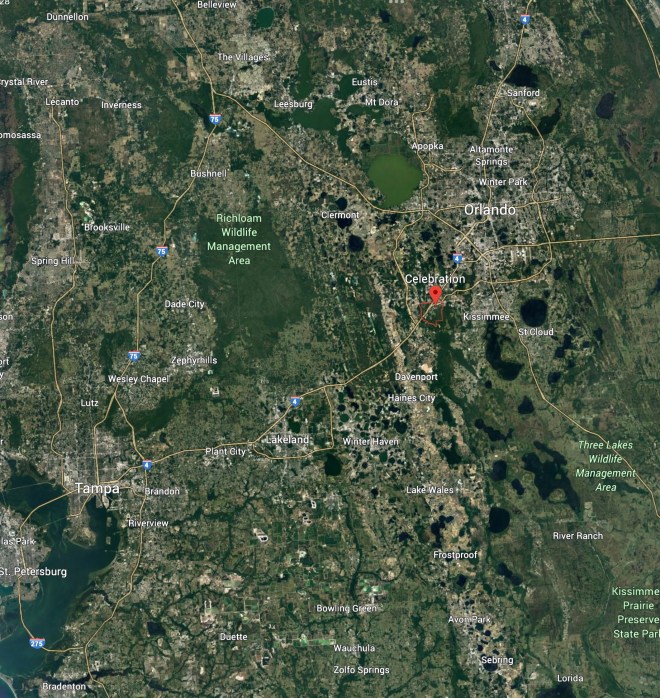
Celebration

City of Irvine

Las Catalinas

Porta Norte

  • Website: www.portanorte.com
  • Concept: Solarpunk new urbanist town inspired by Casco Viejo and designed by Andres Duany.
  • Location: Panama City, Panama

Poundbury

Seaside

Serenbe

The Villages

The Woodlands


Join my blog:

Becoming Optimistic and Definite

Español

Peter Thiel’s book Zero to One deals with startup strategies to build a better future. Peter is one of the most recognized entrepreneurs in Silicon Valley, a co-founder of PayPal, Palantir, and Founders Fund, and was the first external investor in Facebook.

The book details the philosophy and strategies necessary to create startups with exponential growth: creating monopolies, avoiding competition, betting on new technology, creating cults, the importance of founders, and more. The title, Zero to One, refers to two types of companies:

  • 0 to 1: Use technology to invent new products or services. Ex: Google, Apple, etc.
  • 1 to n: Copy or expand existing products or services. Ex: restaurants, gas stations, etc.

This post focuses on chapter 6, You Are Not a Lottery Ticket, which develops different visions of societies. A society can have two types of visions:

  1. Definite: the future is clear, allowing you to craft a plan and try to build it.
  2. Indefinite: the future is unclear, preventing you from crafting a vision.

Building an ambitious vision makes sense if the future is definite. But if you think it is indefinite, you cannot visualize the future; you will give up trying to modify it, attribute changes to luck, and watch others make history.

Society also has two other perspectives:

  1. Optimistic: which looks forward to a bright future.
  2. Pessimistic: which is afraid of a worse future.

Combining these four definitions in a 2×2 matrix generates four quadrants of society’s visions.

Now I will explain each quadrant using the examples from the book. Then I will explain Panama’s past, the present, and the road to an optimistic and definite future.

Pessimistic and Indefinite

All cultures have a myth of a decline from a golden age. A society with a pessimistic and indefinite vision foresees a worse future and does not know what it looks like or what to do about it. Historically this is the most common quadrant.

This is Europe’s quadrant since 1970, when the continent was subjected to a visionless bureaucracy, increased socialist policies, and enacted too many laws creating a straitjacket to innovation. From the inside, they know that they have unsustainable policies that will lead to hard times.

Pessimistic and Definite

A society with a pessimistic and definite vision foresees a worse future, has a clear idea of what it looks like, and is prepared to face it.

China is pessimistic and definite. Its growth strategy is to copy what has worked in the West without regard for innovation. In China, the middle and upper classes, which consume far more resources than the lower class, have expanded dramatically. China has 1.44 billion people (at the end of 2020) consuming natural resources. They are in trouble because demand is increasing, and natural resources are becoming scarcer, resulting in a higher cost of living.

From the outside, everyone thinks that China has a great future, but internally they are terrified of the brain drain and desperate to invest in other countries to get their money out of China.

Optimistic and Indefinite

A society with an optimistic and indefinite vision foresees a better future but only builds more of the same, so it does not make ambitious plans. Instead of working for years to invent something, optimistic and indefinite people like bankers, lawyers and consultants improve the processes of existing companies. In this quadrant, a few new startups are founded.

An indefinite person exclusively values money per se. In contrast, a definite person perceives money as a means to build ambitious goals.

Indefinite Finance: The financial industry represents indefinite thinking because it is one of the most significant ways to make money when you don’t have a concrete plan.

Indefinite Politics: Voters are more interested in how a politician reacts to an event or if he says something controversial than in their 20-year vision.

The US government used to coordinate solutions to big problems like nuclear technology and space exploration. Today, it focuses primarily on insurance and money distribution.

In politics and business, debating marginal processes or improvements has become the way to avoid working on ambitious master plans.

Indefinite Companies: Entrepreneurs are told to listen to the customer, make a minimum viable product, and iterate on that product until success. But, the lean methodology process has to be accompanied by a daring vision to get from 0 to 1.

Let’s take Apple as an example of an ambitious plan. Everyone has experienced good Apple product design. However, the most important thing that Steve Jobs designed was his company. He devised a multi-decade master plan to create products and distribute them. Steve Jobs changed the world by planning and understanding human needs from first principles.

A company with a definite master plan will consistently be underestimated by companies with an indefinite master plan — which are the majority.

Optimistic and Definite

A society with an optimistic and definite vision can imagine a better future, plan to achieve it, and work together towards a clear north.

From the 1800s to the 1960s, the optimistic and definite led the West. Scientists, engineers, doctors, and merchants built richer, healthier, and more productive societies. Each generation had more inventors and visionaries than the previous one.

Examples of feats they executed:

  • 1843: A tunnel was built under the River Thames in London.
  • 1869: The Suez Canal was built.
  • 1889: The Eiffel Tower, the tallest building in the world for 40 years, was built in 793 days.
  • 1914: The Panama Canal was built.
  • 1931: The Empire State Building was built in 410 days.
  • 1937: The Golden Gate Bridge was built in 4 years.
  • 1945: The Manhattan Project produced the first nuclear bomb.
  • 1942: The Alaska Highway, consisting of 2,700 kilometers, was built in 234 days.
  • 1965: The United States Interstate Highway, consisting of 32,200 kilometers, was built in 9 years.
  • 1972: NASA put 12 people on the moon. The Apollo program started in 1961.

You can study more examples of optimistic, definite, and fast projects on Patrick Collison’s website, co-founder of Stripe.

In that era, the government did not only propose daring plans. Around 1940, John Reber, a school teacher who taught himself engineering, designed and promoted the Reber Plan — which consisted of constructing two giant dams in San Francisco, California. Building this would result in gaining 20,000 acres of land. Newspapers promoted this plan, and it went all the way to the United States Congress to discuss its feasibility. The army even built a 1.5-acre model. Unfortunately, they concluded the plan was not viable, so it was not built.

Nowadays, if a teacher designed and proposed such a vision, no one would take it seriously. If the vision came from someone powerful, they would tell him that his arrogance had clouded his sight. Until the 1950s, society welcomed big visions. Bold and grand visions of the future have become curiosities of the past.

You Are Not a Lottery Ticket

We must return to an optimistic, definite world, and startups are the most powerful tools to achieve that change. It starts with rejecting luck and daring to invest many years of effort into a clear and ambitious master plan.


Societies have shifted quadrants over the years. We must strive to move and stay in the optimistic and definite quadrant. Therefore, as a Panamanian citizen, the question I ponder is:

What quadrant is Panama in?

Before 1990, during the military repression of the dictatorship, the vision was pessimistic and definite. During this time, corruption was widespread, businesses could not operate freely, and there was a lot of oppression. It was clear Panama would become a shithole if it continued in the direction it was heading.

From 1990 to 2014, it was optimistic and definite. During that time, Panama expanded the Canal, built the first metro line, founded Panama Pacifico, increased immigration greatly, facilitated the creation of many new companies, and enacted a special regime for the establishment of multinational headquarters (Law SEM), which resulted in intense economic growth.

An important caveat is that at any given moment, some countries, like Panama, can fall in any quadrant, depending on the state of mind of the person giving the opinion. I’ll make a brief argument of opposite quadrants.

From 2014 to 2022, Panama had a pessimistic and indefinite vision. A big concern is that Panama might catch the “left-wing virus” and demagogues seize power, leading to a “second Venezuela.” I know many friends and business leaders investing internationally or taking out passports abroad “just in case.” Panama also has too many bankers, lawyers, or consultants and too few computer engineers or scientists.

From 2014 to 2022, Panama had an optimistic and definite vision. Panama can execute big plans. Let’s think about the organization and collaboration that took place to receive the Pope in 2019. Churches were renovated, thousands of new temporary homes were created, the biggest event ever in the country was executed, the subway expansion was accelerated, and much more.

In addition, Panama has a lot of entrepreneurs per capita; it is one of the fastest growing economies in Latin America; it is building out a multi-decade master plan of metro lines and roads; it just built a cruise terminal in Panama City, expanded the airport, immigration is increasing, and every year we have more startups accepted to Y-Combinator.

Sometimes the quadrant depends on the eye of the beholder.

How can Panama become more optimistic and definite?

Building new companies and startups, growing tech, engineering, and scientists workforce, and betting on government leaders with bold master plans. The first step is to recognize that change is in our hands. We must create and work on concrete, ambitious, and aspirational master plans for our lives.

Those with the ability and desire to take business risks should dare to undertake them. Those of us who graduated from good universities should avoid the comfort of optimizing processes of the companies of yesteryear and help improve education for the rest.

My first job after college was within the old guard — a process consultant. I knew that path was not for me. So, inspired by some friends who founded a company, I ended up working in a Venture Capital fund in Panama. I learned about Silicon Valley from Paul Graham’s Essays and founder mentality during that time.

Founders are contemporary philosophers dedicated to changing the world with their companies. I tell recent graduates that getting a job at a big company or getting an MBA aren’t the only alternatives — you can start a startup or work for one. In his essay A Student’s Guide to Startups, Paul Graham explains this in-depth.

After meeting many entrepreneurs and learning about them, I decided to undertake a new venture myself. In 2014 I co-founded Porta Norte, a new-urbanist solarpunk master-planned community of 650 acres (262 has.) with a multi-decade master plan. The mission is to expand Panama City so that the residents of Panama can live in walkable neighborhoods connected with nature and with public spaces full of culture. It is a definite and optimistic vision.

We should applaud, support, and invest in startups like Cuanto and Panadata, the first two startups to go to Y-Combinator in Panama — which is harder than getting accepted to Harvard. I am honored to be an angel investor in both startups in their first round.

Let’s encourage entrepreneurs and governments to think big. Let’s brainstorm, support, and bet together on daring, definite, and optimistic plans such as:

  • Building Startup Cities.
  • Building a beach in Avenida Balboa.
  • Creating a ferry system to connect the coasts.
  • Developing a top Computer Science university.
  • Producing local energy to achieve energy independence.
  • Building energetic self-sufficient buildings and neighborhoods.
  • Connecting America with a highway between Panama and Colombia.
  • Connecting Panama, Colombia, Central America, and America through a high-speed train.
  • Increasing immigration of scientists, engineers, doctors, artists, entrepreneurs, and builders.

What other plans can you think of? Which startups, companies, or existing plans are worth supporting? How can we help build a definite and optimistic society?

If you have an ambitious, definite, and optimistic plan for Panama or the world, please share it in the comments, talk about it among friends, help it become a reality and ideally execute it. Let’s become optimistic and definite to build a better future together.


Subscribe to my blog: